Green Light Solar is a term widely associated with renewable energy initiatives, particularly those focusing on photovoltaic solar energy solutions for residential, commercial, and agricultural applications. Whether referring to a company name or the broader concept of energy-efficient solar technology, Green Light Solar symbolizes a commitment to sustainable power and environmental responsibility.
This article delves into what Green Light Solar truly represents, how it functions, and why it’s gaining traction among individuals and businesses aiming to reduce carbon footprints, lower utility bills, and adopt cleaner energy practices. From system types and technology benefits to real-world use cases, Green Light Solar provides an insightful look into the solar movement.
What Is Green Light Solar?
Green Light Solar refers to the deployment of solar energy systems that focus on maximizing energy output while minimizing environmental impact. These systems primarily use photovoltaic panels to capture sunlight and convert it into usable electricity. In many contexts, Green Light Solar also refers to companies or providers that specialize in full-service solar installations, often including consultation, design, installation, and maintenance.
The essence of Green Light Solar is about more than just solar panels. It includes inverters, battery storage systems, smart controllers, and energy monitoring tools that together create a complete ecosystem for energy self-reliance. Whether installed on rooftops or as ground-mounted systems, Green Light Solar solutions support both grid-tied and off-grid configurations.
Benefits of Using Green Light Solar Technology
One of the most compelling advantages of Green Light Solar is cost efficiency. By harnessing the sun’s energy, users can significantly reduce or even eliminate monthly electricity expenses. With net metering and energy credits, solar users can offset their consumption and potentially earn returns on excess power fed back into the grid.
Green Light Solar systems are also environmentally responsible. Unlike fossil fuel-based power generation, solar panels do not emit greenhouse gases during operation. This contributes to cleaner air, reduced dependence on finite resources, and alignment with global sustainability goals. The installation process is often straightforward, and most components come with warranties extending 20–25 years, offering long-term peace of mind.
Beyond individual benefits, Green Light Solar contributes to broader societal gains such as job creation in green industries, enhanced grid resilience, and innovation in energy management.
Real-World Products and Examples
Enphase Energy Microinverter Systems
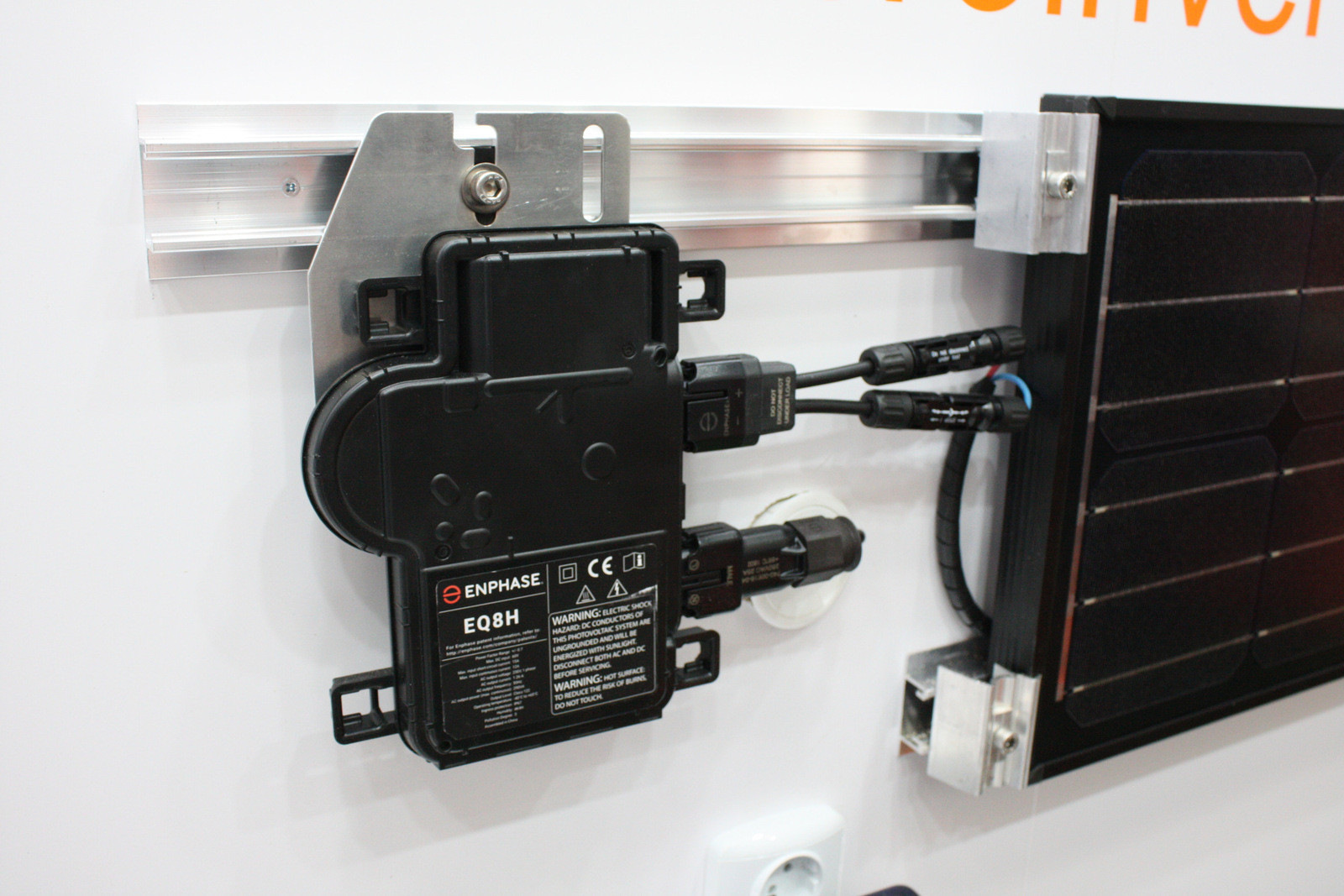
Enphase provides a range of microinverters that are commonly integrated into Green Light Solar setups. These devices convert direct current (DC) from solar panels into alternating current (AC) at the panel level, enhancing efficiency and safety. They are particularly useful for complex roof layouts and partial shading.
By isolating and optimizing each panel’s output, Enphase systems prevent one underperforming panel from dragging down the entire system. Their cloud-based monitoring platform allows real-time insights, ensuring users get the most from their solar arrays.
Tesla Powerwall Battery Integration
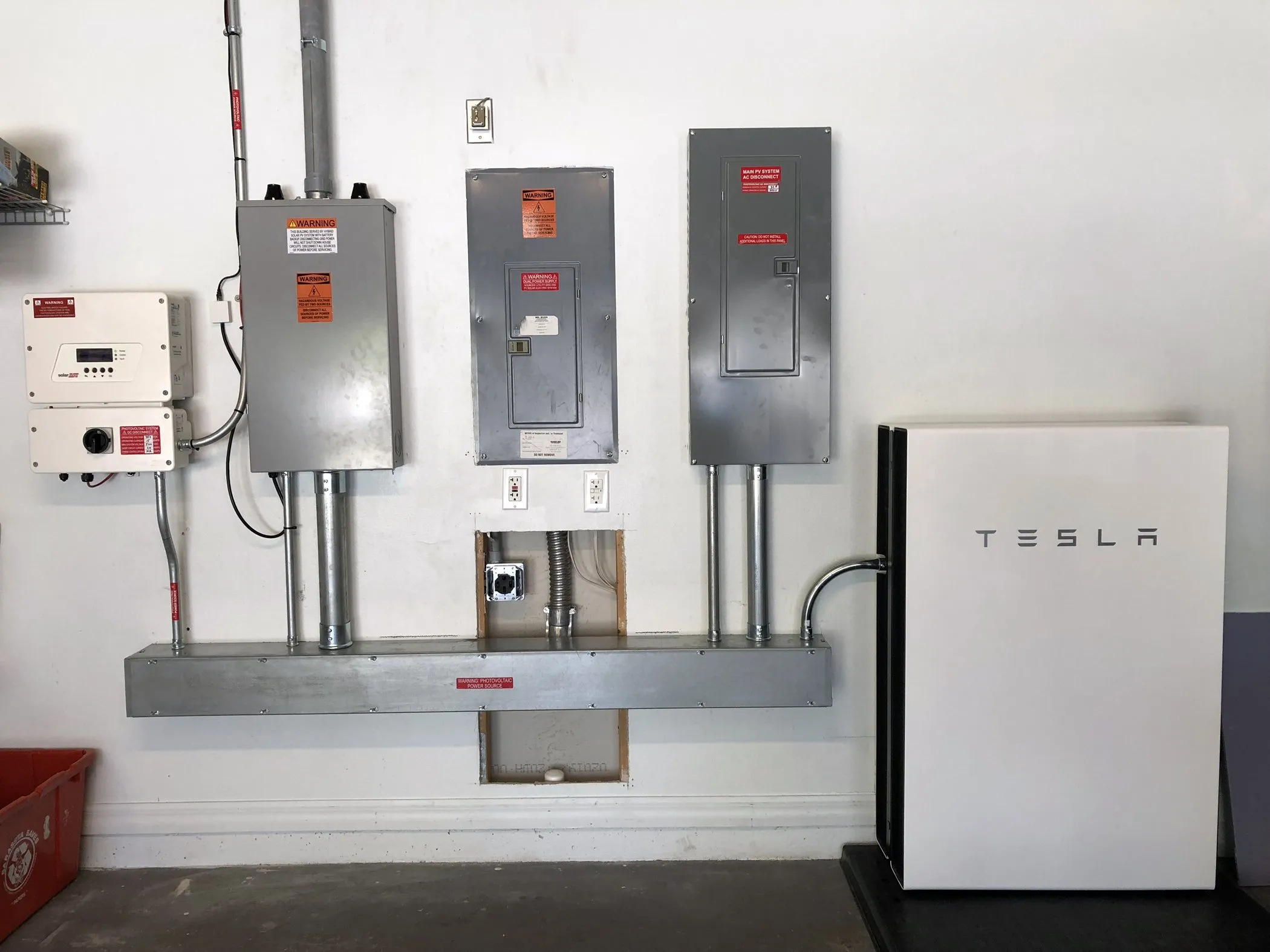
Tesla’s Powerwall is a lithium-ion battery that stores surplus energy generated by solar panels. It pairs well with Green Light Solar systems, especially for users seeking energy independence or those in areas with unreliable grid infrastructure.
With automatic switchover during blackouts, the Powerwall keeps critical appliances running. Its compact, sleek design makes it suitable for both residential and small commercial spaces. Integrated software provides detailed analytics and system control.
LG NeON R High-Efficiency Panels
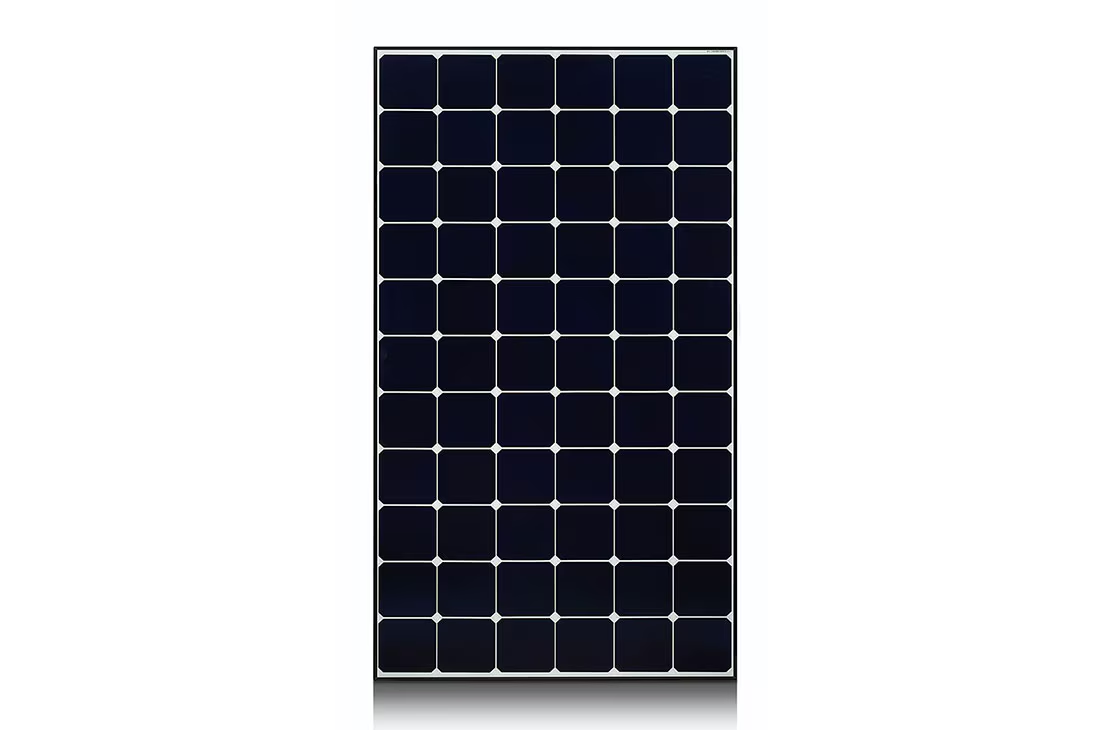
LG’s NeON R solar panels are known for their high energy output and sleek design. These panels are often part of Green Light Solar installations aiming for maximum performance in limited space.
With industry-leading efficiency rates, these panels are built to endure harsh environmental conditions and provide consistent performance. Their durability and performance warranties make them ideal for long-term installations in variable climates.
SolarEdge Smart Energy Management Systems

SolarEdge’s smart energy solutions complement Green Light Solar setups by integrating PV, storage, EV charging, and smart energy devices under a single control platform. This maximizes the economic value of solar installations.
SolarEdge systems optimize energy usage throughout the day, storing energy during low demand and deploying it during peak usage. Their monitoring dashboards allow both homeowners and businesses to fine-tune energy consumption based on real-time data.
SMA Sunny Boy Inverters
SMA’s Sunny Boy line of inverters is widely used in Green Light Solar systems. These inverters feature user-friendly interfaces, secure grid connections, and intelligent shade management.
Designed for residential and light commercial applications, Sunny Boy inverters contribute to reliable and efficient energy conversion. They also integrate with home automation systems and battery storage units.
Practical Use and Advantages of Green Light Solar
Green Light Solar technologies are practical for a wide range of users. Homeowners benefit by lowering utility costs, increasing property value, and contributing to environmental sustainability. Solar energy also reduces reliance on local power providers, which is crucial in areas with frequent outages or rising electricity rates.
Commercial users enjoy enhanced energy predictability and branding benefits. Companies that adopt solar demonstrate corporate social responsibility, which resonates with eco-conscious customers. Energy savings can also be reinvested into business operations.
In rural and agricultural settings, Green Light Solar enables off-grid capabilities, powering irrigation systems, refrigeration, and machinery in locations where conventional power access is limited or unavailable.
Use Cases: Real-World Problem Solving
In urban environments, rising energy costs are a pressing concern. Green Light Solar allows families to lock in energy rates and escape utility rate hikes. This provides financial stability and predictable budgeting over decades.
In remote areas, solar power serves as a reliable alternative to diesel generators. For instance, small clinics or schools can operate essential services such as lighting and medical refrigeration using solar power stored in battery banks. This enhances quality of life and access to services.
Commercial establishments like retail stores or small manufacturing units often face high demand charges. A Green Light Solar installation with battery backup helps them manage load peaks, reducing both operational cost and environmental impact.
Frequently Asked Questions
1. What makes Green Light Solar different from other solar options?
Green Light Solar typically emphasizes comprehensive energy solutions that include advanced components like smart inverters, battery storage, and monitoring tools. It represents a holistic approach to solar energy adoption.
2. Can Green Light Solar work in cloudy or cold climates?
Yes. Modern solar panels used in Green Light Solar systems are designed to perform efficiently even in low-light conditions. Energy storage options also help maintain the supply during less sunny days.
3. Is Green Light Solar suitable for small properties?
Absolutely. Green Light Solar systems can be scaled to fit various property sizes and energy needs. High-efficiency panels and microinverter technology allow effective installations even on limited roof space.