Installing solar panels on felt roof structures is increasingly common as homeowners and commercial property owners seek renewable energy solutions. Felt roofs, often found on garages, sheds, outbuildings, and flat-roof extensions, pose unique installation challenges that require specialized techniques and materials to ensure durability and weatherproofing.
This article explores how solar panels can be mounted on felt roofing, addressing both technical considerations and the long-term benefits of such an installation. Whether you are working with a flat or slightly pitched roof, understanding the compatibility and requirements for felt roofing will help ensure a secure and efficient solar setup.
How Solar Panels Interact with Felt Roofing Materials
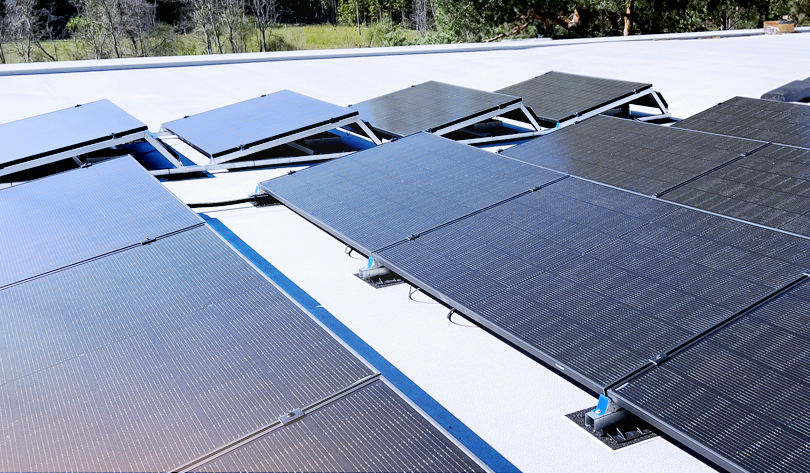
Solar panel systems must be carefully mounted on felt roofs to avoid compromising the waterproofing layer. Traditional methods that involve penetrating the roof membrane can lead to water ingress and long-term damage if not done correctly. Therefore, non-penetrative mounting options like ballasted or adhesive systems are usually recommended.
Felt roofs also tend to retain heat and may have weight limits due to the underlying structure, which must be evaluated before installation. Installers typically assess the load-bearing capacity and inspect the roof condition to determine if reinforcement is necessary. By following best practices, solar panels on felt roofs can function just as reliably as on tiled or metal surfaces.
Benefits of Installing Solar Panels on a Flat Roof
One of the major advantages of using a felt roof for solar panels is the underutilized space it provides. Whether on a garage or an outbuilding, these surfaces can become energy-generating assets without affecting the appearance or function of your main structure.
Solar panels on felt roof installations also support energy independence. By converting solar energy into electricity, property owners reduce reliance on the grid, lower utility bills, and contribute to a sustainable energy future. The systems are quiet, require minimal maintenance, and often come with long warranties, ensuring decades of performance.
In addition, installations on flat felt roofs can be optimized with tilt mounts to ensure the best sun exposure. This makes it possible to achieve excellent energy yields even if the surface itself is not pitched toward the sun.
Example Installations and Use Cases
GSE Integration Mounting System
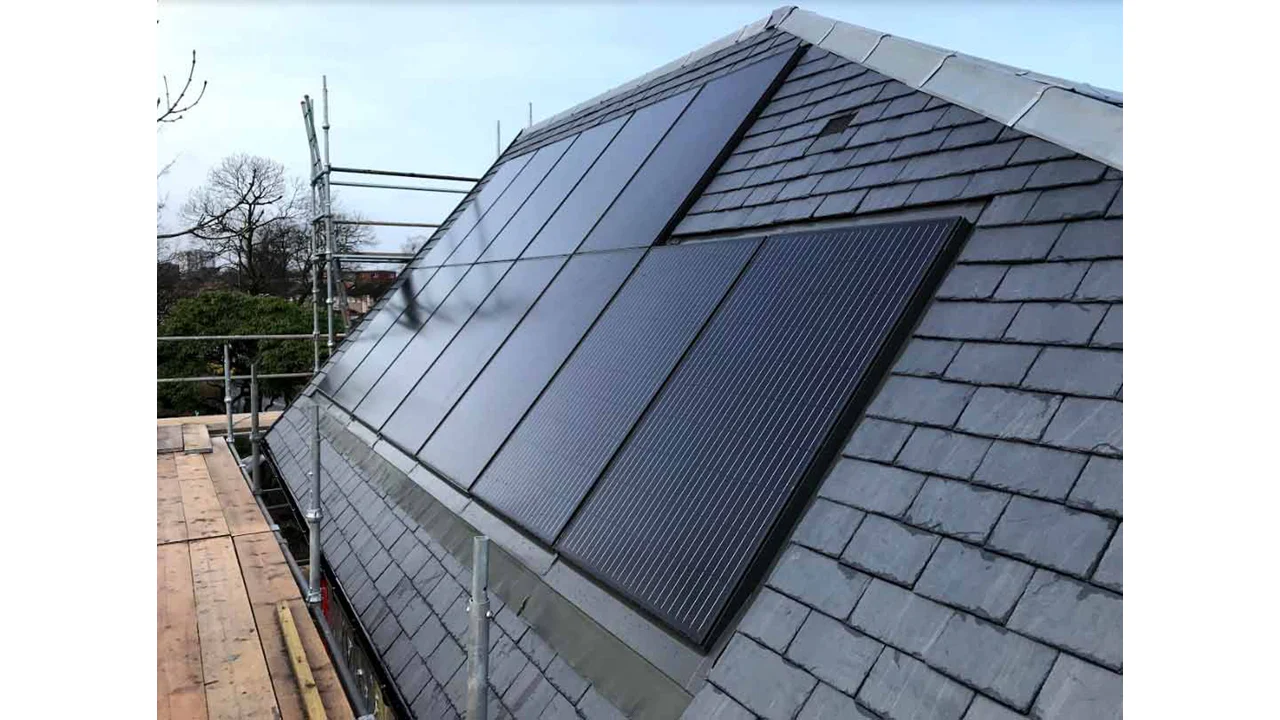
GSE Integration offers mounting kits designed for flat and felt roofs, ideal for domestic and small commercial use. These systems are known for their waterproof frames and compatibility with a variety of PV panels. They use a low-profile design that ensures stability without roof penetrations.
This setup is ideal for residential garages and garden offices where aesthetic preservation is important. The system includes ballast trays that prevent structural damage to the felt while ensuring long-term anchorage.
Van der Valk Flat Roof Mounting System
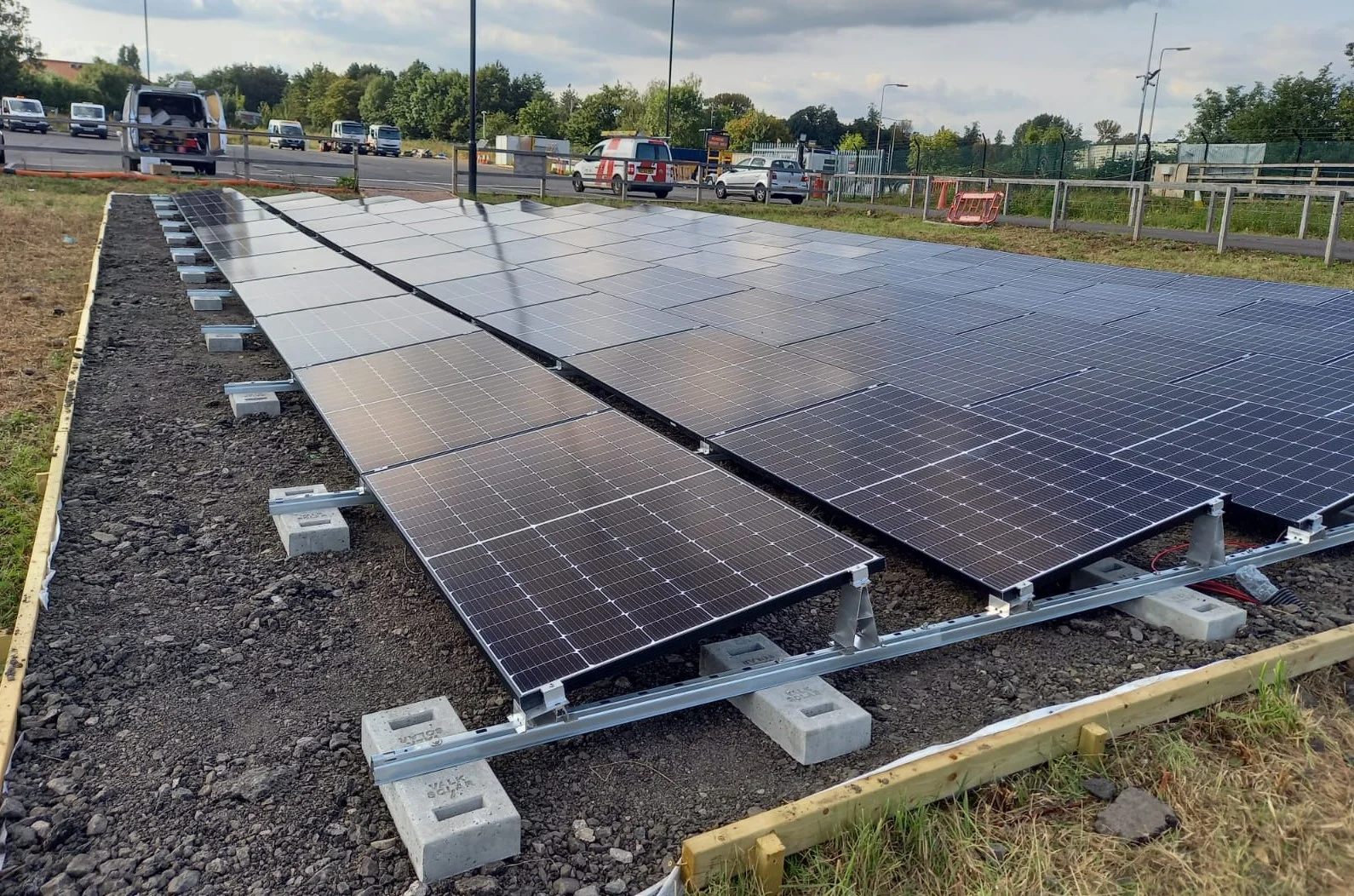
Van der Valk’s mounting system is specifically engineered for flat and felt surfaces. It uses wind-deflecting panels and ballast weights to hold the system in place without the need for drilling into the membrane.
This system is often used on urban flat roofs, especially in city centers where building integrity and water resistance are critical. Its aerodynamically efficient design enhances safety and minimizes uplift during storms.
Renusol Console+
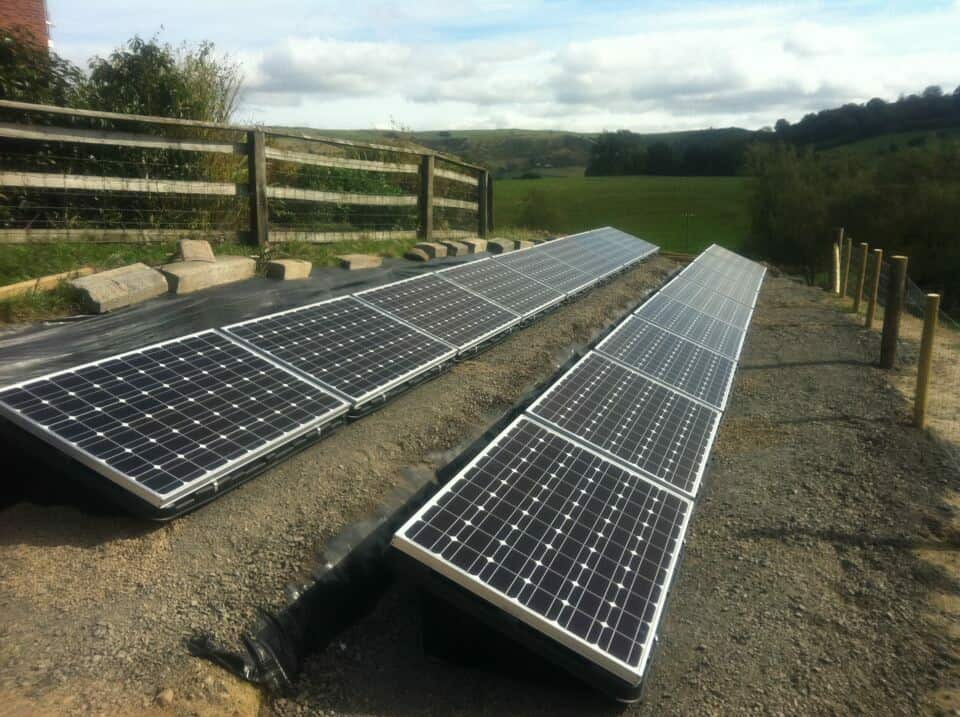
Renusol Console+ provides an easy solution for mounting solar panels on felt roof structures. The design involves placing PV panels into sturdy plastic troughs filled with ballast, which means there’s no penetration and minimal risk to the waterproofing layer.
It’s particularly popular among DIY users and installers working on outbuildings or small warehouses. The system is quick to install and can be adjusted for different tilt angles, enhancing efficiency year-round.
Sunfixings Ballasted Flat Roof System
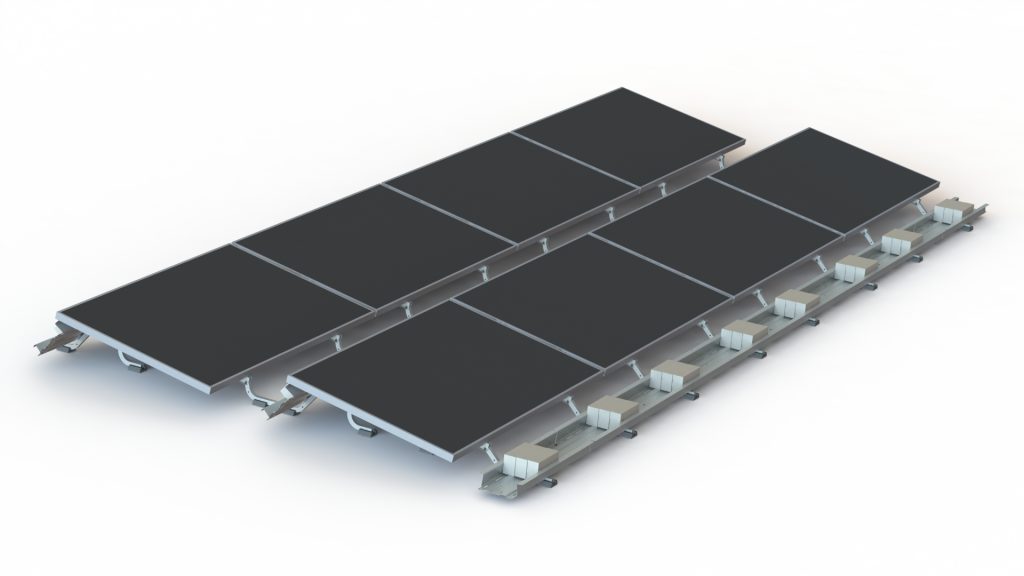
The Sunfixings system combines corrosion-resistant aluminum structures with concrete ballast blocks, making it ideal for felt roof applications. These frames are optimized for structural integrity and spacing between rows, reducing shading and maximizing solar gain.
Used widely in light industrial buildings, this solution is also scalable for residential properties with flat-roof extensions. Its secure design allows installers to avoid adhesives or roof perforation.
BauderSOLAR F Mount
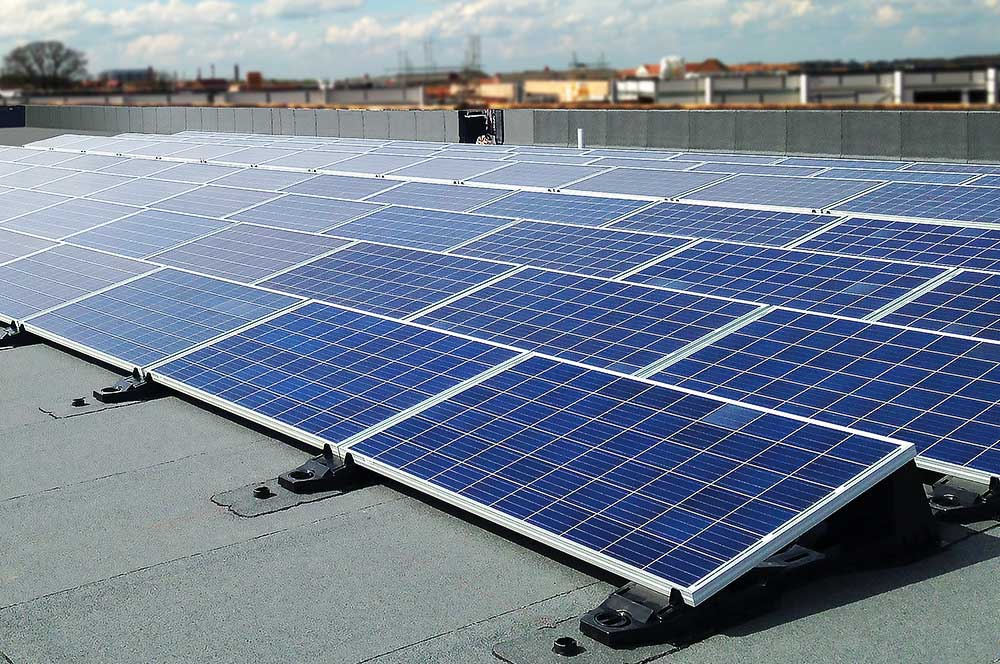
BauderSOLAR F Mount is specifically designed for felt and bituminous flat roofs. The panels are attached with a membrane-based system that fully integrates with the existing felt layers, maintaining waterproofing integrity.
Ideal for buildings with strict environmental standards, this setup is typically found in public-sector buildings like schools and hospitals, where long-term reliability is a top priority.
Practical Advantages in Real-Life Applications
Solar panels on felt roofs offer versatility that makes them suitable for a variety of environments. Whether you’re powering a home office, farm shed, or retail outbuilding, the setup enhances energy efficiency without altering the building’s core structure.
These systems also provide an energy backup solution when paired with batteries. In the event of a grid outage, stored energy ensures that essential functions like lighting, refrigeration, and security systems continue to operate. Over time, the return on investment becomes evident through significant savings and potential government incentives.
Common Use Cases and Problem-Solving
Installing solar panels on a felt roof can solve several real-world challenges:
-
Underutilized Roof Space: Outbuildings, extensions, and flat-roof garages are often ignored assets. Adding solar panels transforms them into energy-producing units.
-
Electric Vehicle Charging: A flat felt roof installation can power an EV charger independently, helping reduce fossil fuel use.
-
Energy Independence for Remote Structures: Barns, remote offices, or utility rooms that are distant from the main power supply can benefit from solar systems on their felt roofs.
-
Powering Garden Studios or Sheds: Creative workspaces or sheds powered by solar energy are increasingly popular. Panels on the felt roof provide enough electricity for lighting, Wi-Fi, and small appliances.
These systems support sustainability goals while adding value to the property. The ability to retrofit solar onto existing felt roofs makes this an attractive option for both residential and commercial users.
Frequently Asked Questions
1. Can solar panels damage a felt roof?
When properly installed with non-penetrative systems or specialized mounts, solar panels will not damage a felt roof. Many systems are designed specifically to protect roof integrity.
2. Do I need planning permission to install solar panels on a felt roof?
In most cases, planning permission is not required, especially for residential properties. However, local regulations vary, so it’s best to consult with your local authority or installer.
3. How long do solar panels on a felt roof last?
Solar panels typically last 25-30 years, and felt roofs with solar systems can remain watertight as long as appropriate installation methods are used. Regular inspections ensure longevity and efficiency.