A solar system for flats is a renewable energy solution specifically designed for apartment buildings or multi-unit residences. Unlike traditional homes with individual rooftops, flats require customized systems that can efficiently harness solar energy for multiple users in a shared space. These systems often involve centralized panels installed on common rooftops, connected to each unit either individually or collectively.
The purpose of such systems is to reduce reliance on grid electricity, lower utility bills, and promote sustainable living. With increasing energy costs and environmental awareness, solar systems for flats have gained popularity across urban areas worldwide.
Types of Solar Systems Suitable for Flats
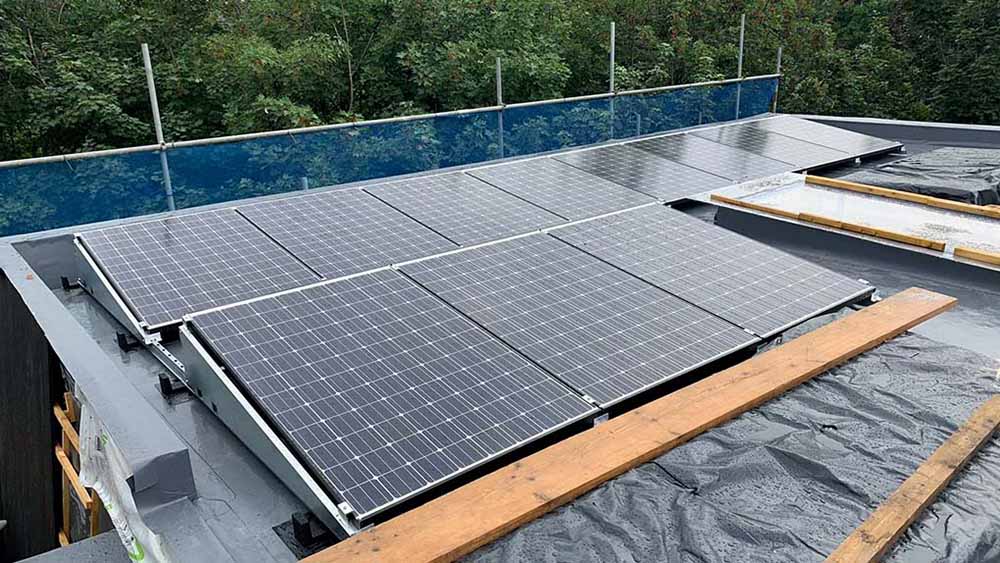
There are generally two types of solar power setups suitable for flats: individual metered systems and common area systems. Individual metered systems involve setting up panels that provide power to a single flat, which requires permission and technical integration from the housing society. On the other hand, common area systems supply electricity to shared services such as lifts, lighting in corridors, and water pumps.
Choosing the right setup depends on the size of the roof, sun exposure, energy consumption, and cooperative housing regulations. Shared ownership models and net metering options also play a crucial role in decision-making.
Benefits of Solar Systems for Flats
Solar systems for flats offer multiple advantages both environmentally and financially. One of the primary benefits is the reduction in electricity bills. Since these systems convert sunlight into usable electricity, flat owners and housing societies can significantly cut down on grid usage.
Another major benefit is environmental conservation. Solar energy is a clean, renewable source that produces no greenhouse gases during operation. Using solar power helps reduce carbon footprints and supports global efforts to combat climate change. Additionally, installing solar systems increases property value and can be an attractive feature for prospective buyers.
Real-World Example Products and Systems
Tata Power Solar Shared Rooftop Systems
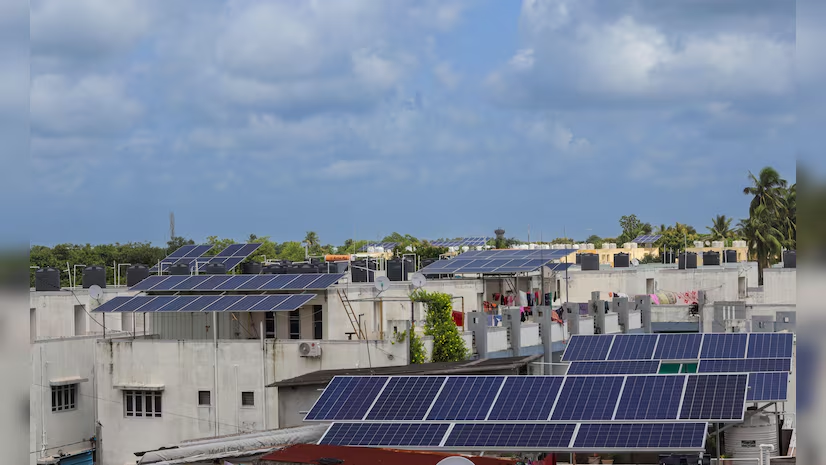
Tata Power offers rooftop solar solutions tailored for residential flats and societies. Their shared systems are designed for optimal efficiency, often including features like smart metering, app-based monitoring, and high-quality inverters. This solution is particularly relevant in Indian urban housing setups where space is limited and energy costs are high.
The system allows all residents to benefit from a single, unified solar panel setup. It reduces dependency on traditional grid electricity and ensures fair energy distribution among users. The system also supports net metering, which enables users to receive credits for excess energy sent back to the grid.
SunPower Equinox Residential Systems
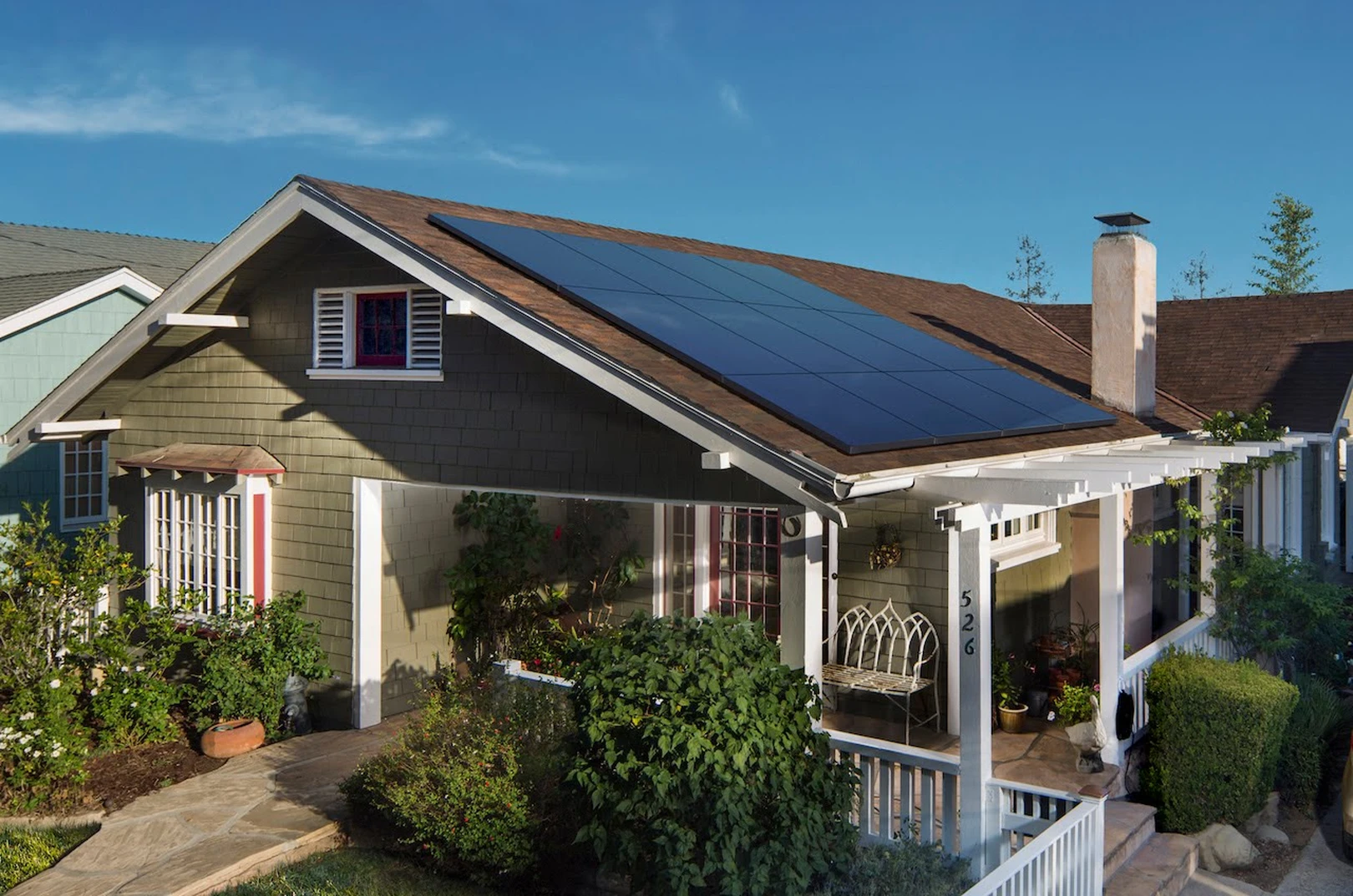
SunPower’s Equinox systems are popular in the U.S. and Europe, known for their high efficiency and sleek design. These systems are ideal for luxury flats or modern urban developments with ample rooftop space. The integrated monitoring tools and superior panel quality ensure long-term reliability.
SunPower offers scalable solutions, meaning you can increase capacity based on the number of units or energy consumption needs. The brand also ensures compliance with international safety and efficiency standards.
Luminous Solarverter for Common Areas
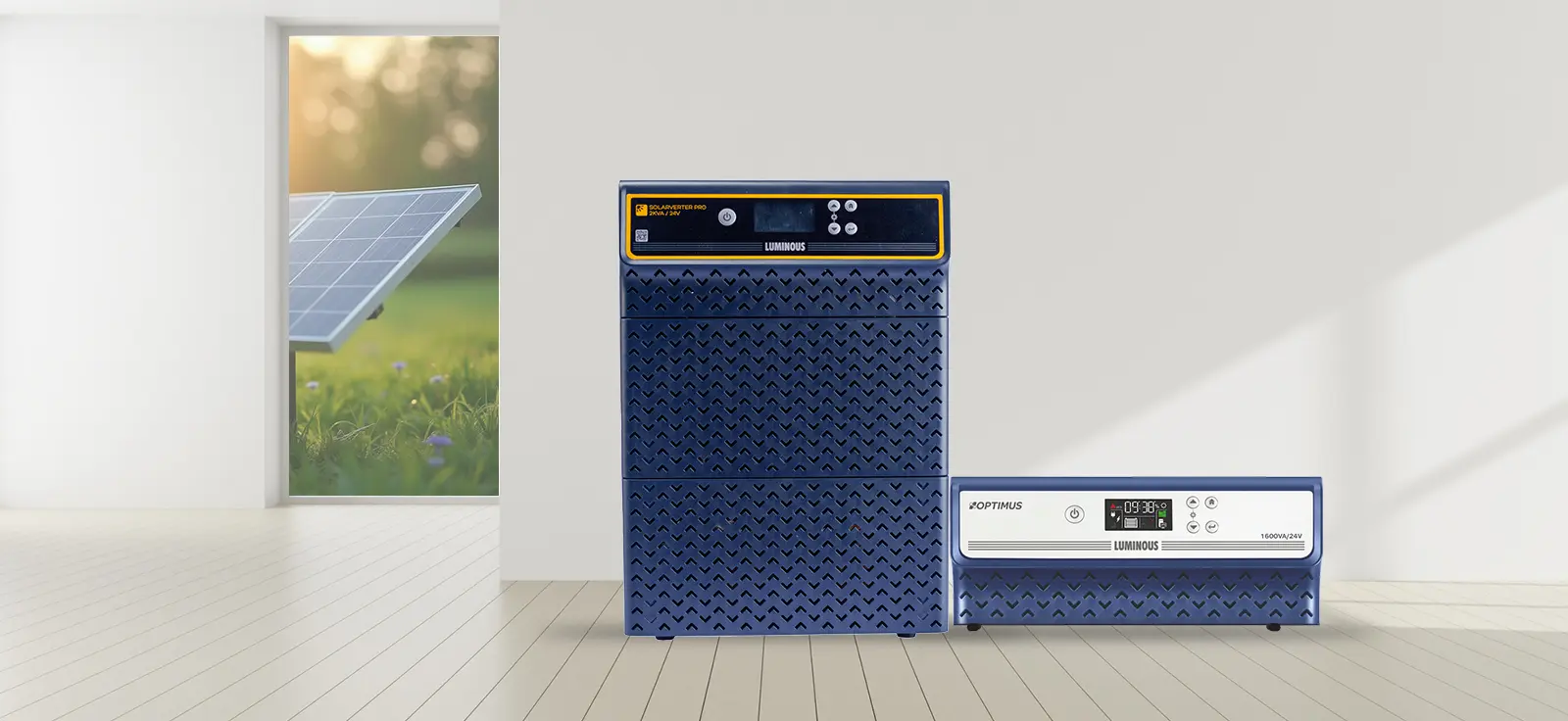
Luminous offers a hybrid solution combining grid and solar power. It’s especially useful for powering common areas like stairwells, water pumps, and security systems in flats. The inverter ensures seamless switching between grid and solar energy based on availability.
This product is beneficial in areas with frequent power outages. By ensuring that shared amenities run uninterrupted, it improves the quality of life for all residents in a flat complex.
Enphase Microinverter Technology
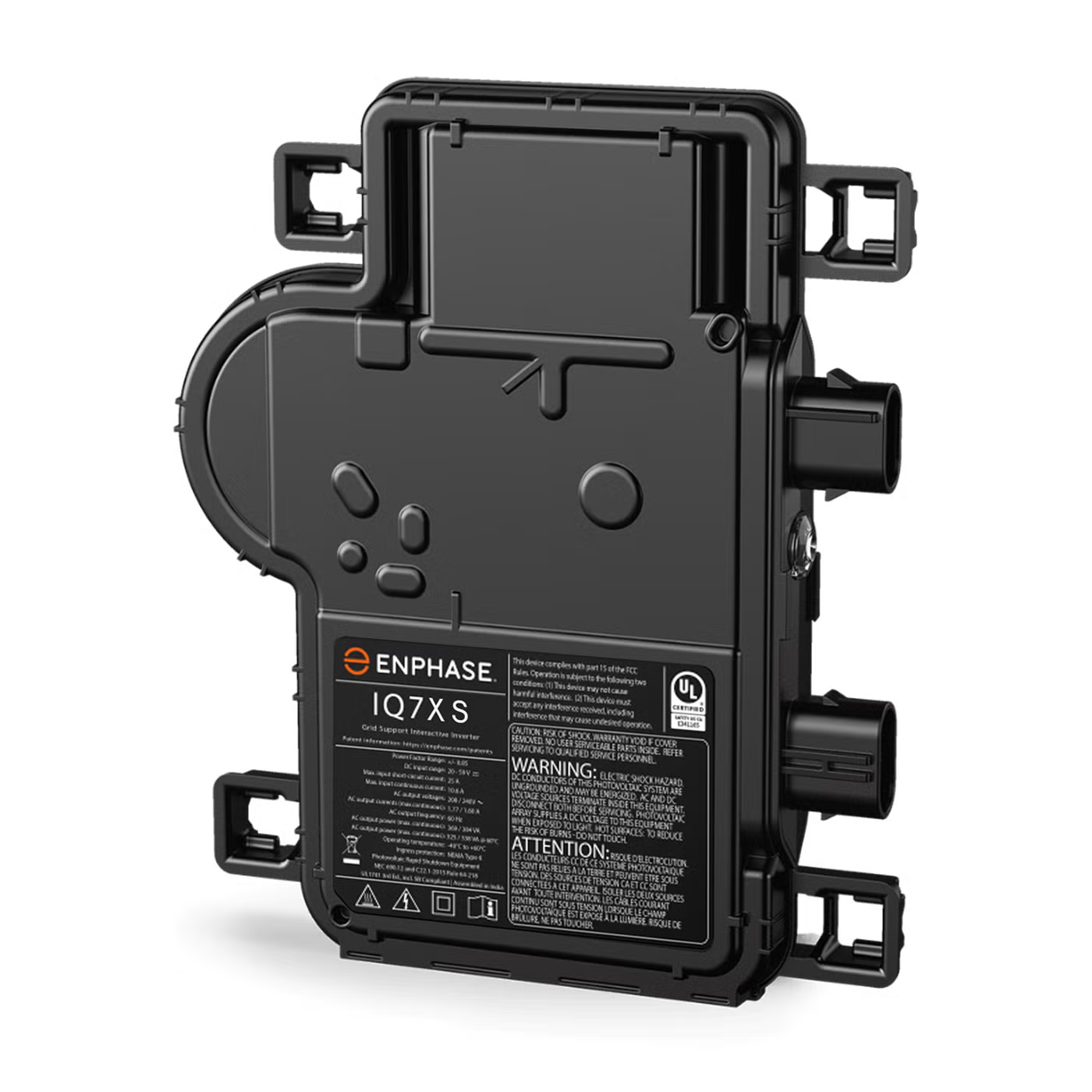
Enphase provides microinverter technology that enhances the efficiency of each panel. For apartment buildings with partial shade or varied rooftop layouts, this technology ensures maximum output by allowing each panel to operate independently.
This is highly relevant in densely populated urban areas where high-rise buildings often block sunlight. Enphase systems also offer mobile app integration, providing residents with real-time energy tracking.
Vikram Solar for High-Rise Installations
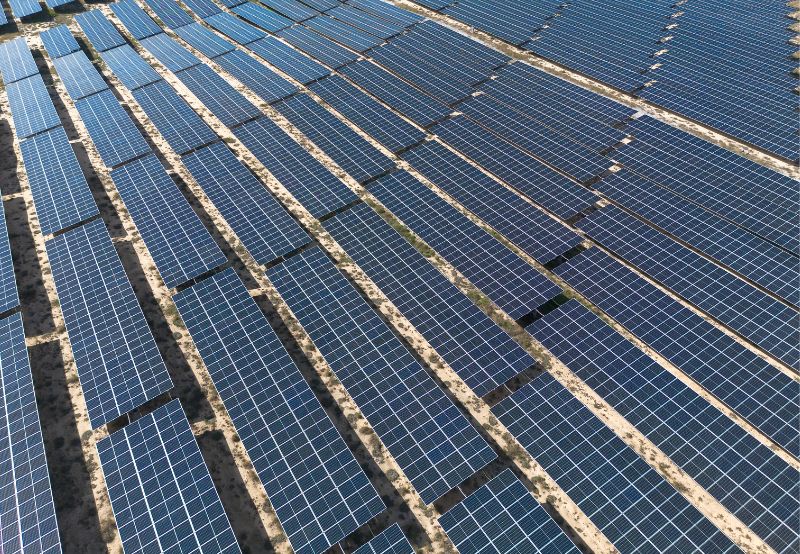
Vikram Solar specializes in high-efficiency PV modules tailored for high-rise buildings. These modules are robust and weather-resistant, making them suitable for tall apartment complexes exposed to extreme environmental conditions.
Their solutions are often deployed in smart city projects and government housing schemes, where long-term sustainability and low maintenance are priorities.
Practical Advantages and Use of Technology
Technological advancements in solar energy have made it easier to implement systems in flats. Modern systems come with real-time monitoring, battery backups, and AI-based efficiency optimization. These features not only make solar systems more user-friendly but also ensure better performance.
With smart grid integration and IoT devices, managing solar energy production and consumption is more efficient than ever. Residents can view daily energy usage, predict monthly savings, and identify any system issues through mobile applications.
Common Use Cases and Problem Solving
Solar system for flats solve a wide range of problems commonly faced by residents of flats. For example, in areas with frequent electricity outages, solar systems provide a reliable backup, especially for critical shared services like elevators and lighting.
In another scenario, high electricity bills can be a financial burden on flat owners and tenants. By shifting to solar energy, these expenses can be significantly reduced. Solar also eliminates the uncertainty of fluctuating grid tariffs, offering long-term financial predictability.
Frequently Asked Questions
1. Can flats in high-rise buildings install solar systems?
Yes, flats in high-rise buildings can install solar systems, typically on the rooftop of the building. However, the installation must be planned collectively with the housing society and by structural assessments and legal regulations.
2. How much energy can a solar system for flats generate?
The amount of energy depends on the system’s size, location, and sunlight exposure. A well-installed system can cover 30% to 80% of a flat’s energy requirements, depending on usage patterns and solar irradiance.
3. Is maintenance difficult for solar systems in flats?
No, most modern solar systems require minimal maintenance. Regular cleaning of panels and periodic inspections ensure optimal performance. Some systems even include automated monitoring that alerts residents about maintenance needs