Solar energy is becoming a vital part of sustainable architecture and home energy independence. While pitched roofs are commonly seen with solar arrays, flat roofs offer unique opportunities and challenges for solar installations. This guide explores the complete process of installing solar panels on flat roofs, including key installation considerations, types of mounting systems, cutting-edge technology benefits, and real-world examples.
Understanding the dynamics of solar on flat rooftops is essential for homeowners, business owners, and facility managers looking to leverage renewable energy effectively. With the right planning and knowledge, flat roof solar installations can yield impressive long-term energy savings and environmental benefits.
Key Considerations When Installing Solar Panels on Flat Roofs
Structural Assessment of the Roof
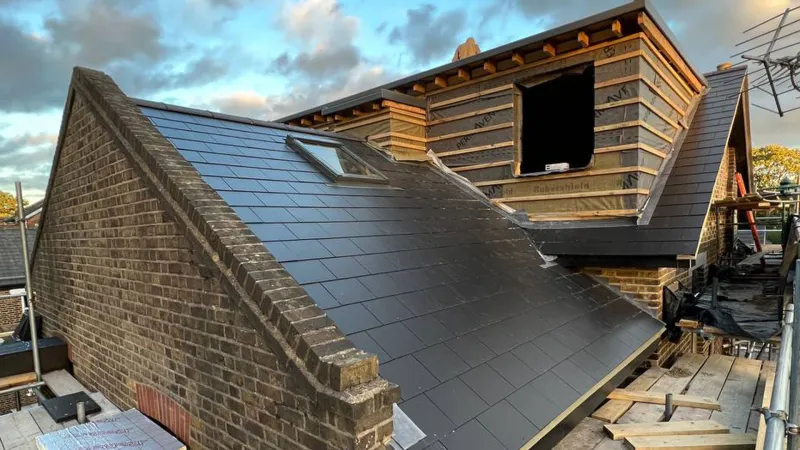
Before any solar panel installation, the structural integrity of the roof must be evaluated. Flat roofs, especially those on older buildings, may not have been originally designed to handle the added weight of solar arrays and mounting systems. A licensed structural engineer can assess load capacity and ensure that reinforcements, if needed, are in place.
It’s also important to consider roof age. If the roof is nearing the end of its life, it’s advisable to replace or restore it before proceeding with solar installation to avoid the cost of disassembling the system later.
Sunlight Exposure and Obstructions
Even on flat roofs, shade can impact performance. Surrounding buildings, HVAC equipment, parapet walls, or tree canopies can cause shadowing. A detailed solar site analysis using tools like irradiance mapping or drone scans ensures optimal placement and orientation.
Types of Mounting Systems for Flat Roof Solar Installations
Ballasted Mounting Systems
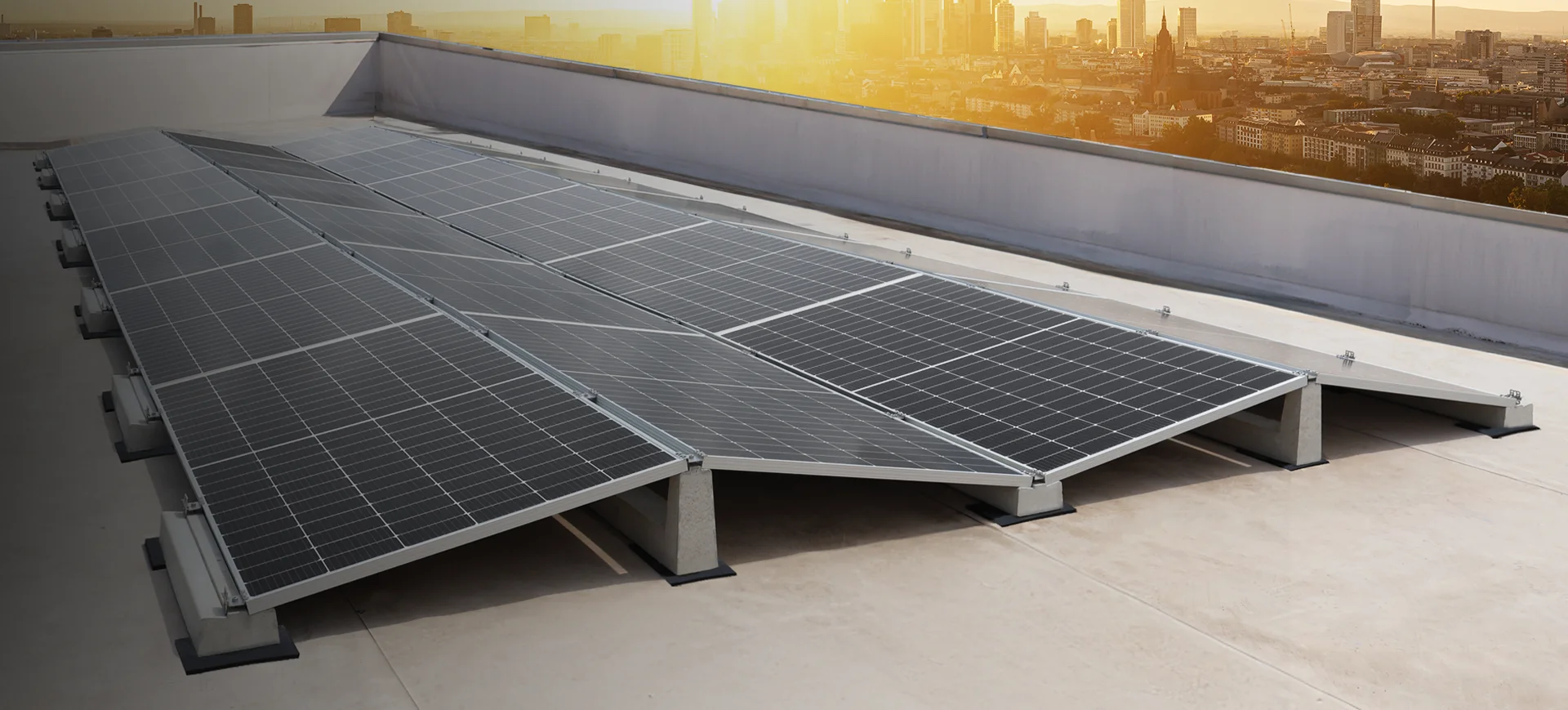
Ballasted racking systems are non-penetrating mounts that use weight to secure panels to the roof. This is one of the most common methods used on flat roofs because it avoids drilling holes, preserving the waterproof membrane.
These systems are typically tilted at 5 to 15 degrees to maximize solar exposure while maintaining aerodynamic stability. Ballast blocks, usually made from concrete, are carefully calculated to prevent wind uplift.
Penetrating or Mechanically Attached Systems
Some roofs, particularly those with high wind exposure, require mechanically attached systems. These mounts are anchored into the roof structure for greater stability. While this involves more installation complexity, it provides additional resilience in extreme weather.
Professionally installed penetrative mounts include flashing and waterproofing to maintain the integrity of the roof surface and prevent leaks.
East-West Racking Configuration
An East-West racking design allows solar panels to be mounted back-to-back at a low tilt. This design reduces row spacing, allowing for more panels in the same area. It also produces a more consistent energy output throughout the day, which is ideal for commercial energy use profiles.
Benefits of Using Technology in Flat Roof Solar Panel Installations
Smart Inverters and Monitoring Systems
Modern solar setups now integrate smart inverters that offer real-time data on energy production, usage, and system health. These devices are essential for flat roof installations where multiple angles or orientations may be used. They allow users to optimize performance based on environmental conditions.
Design and Simulation Software
Solar installers now use advanced software to simulate different panel layouts, calculate energy yield, and model shading over the course of the year. These tools help homeowners and businesses make informed decisions before construction begins.
Remote Diagnostics and Predictive Maintenance
Sensors and IoT-enabled monitoring platforms can alert users to issues like panel soiling, inverter errors, or shading changes. Remote diagnostics reduce downtime and improve the long-term reliability of flat roof solar systems.
Real-World Examples of Flat Roof Solar Panel Installations
1. Commercial Warehouse in Los Angeles, CA
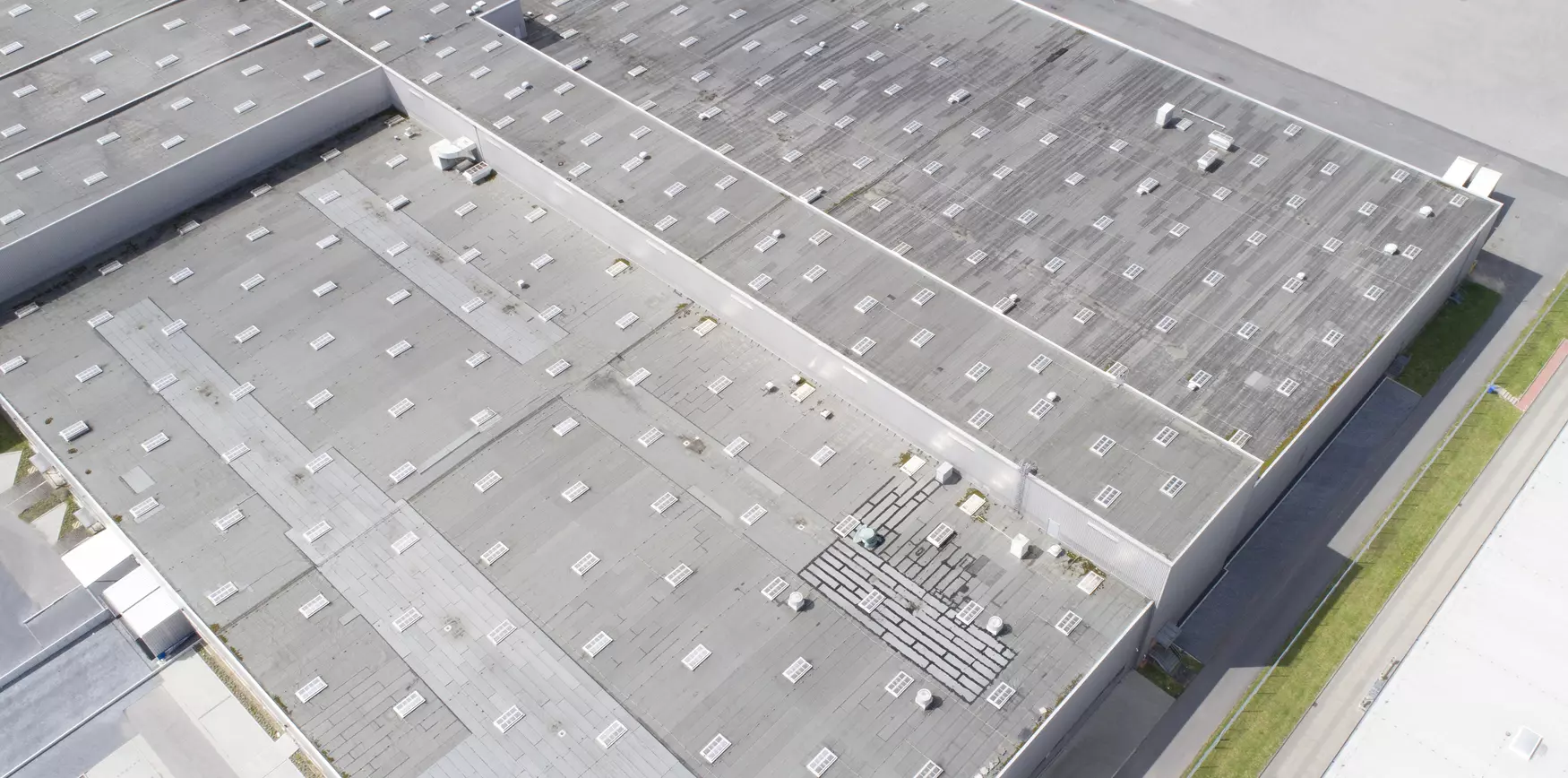
A logistics company installed a 250 kW system on their 50,000 sq. ft. warehouse. The installation used ballasted mounts to avoid penetrating the membrane roofing. Panels were oriented in a south-facing tilt configuration with wind deflectors.
The system now provides nearly 80% of the facility’s energy needs and has reduced electricity bills by over $40,000 annually. Additionally, it qualified the business for a state solar incentive and federal tax credits.
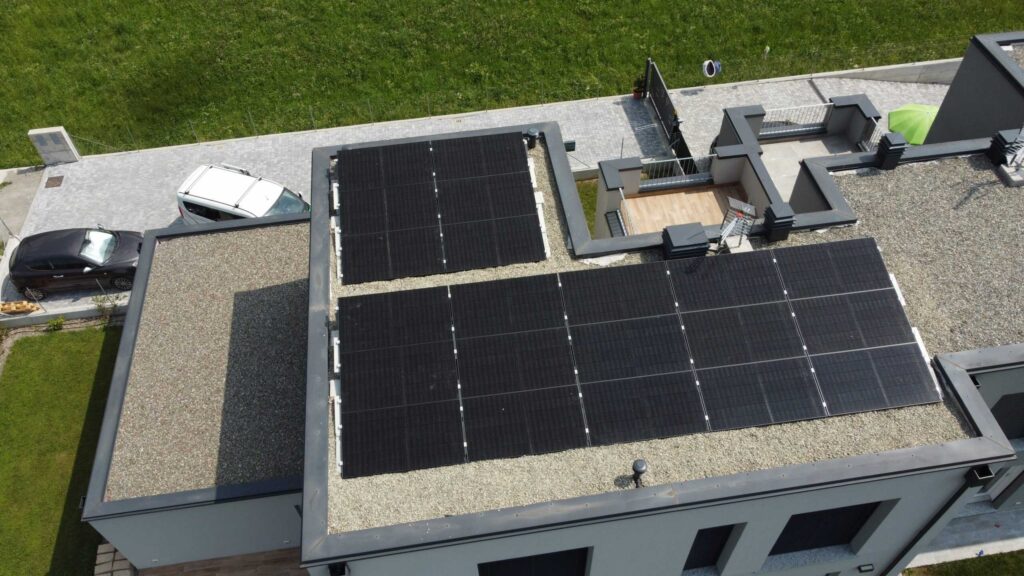
Insert image of the product: Educational campus with solar panels on multiple flat-roofed buildings
2. Public School District in Illinois
Multiple flat-roofed school buildings were equipped with solar systems as part of an energy efficiency initiative. Each rooftop was evaluated for structural load, and a combination of ballasted and anchored systems was installed.
The project not only lowered utility costs but also integrated with STEM curriculum programs, giving students access to live performance data and environmental studies opportunities.
3. Urban Apartment Complex in New York City
An urban property management firm installed solar on the flat roof of a residential apartment building to reduce common area electricity usage. The project required creative placement to avoid shading from water towers and mechanical systems.
Panels were installed on elevated racking systems to maintain roof drainage and access to rooftop amenities. The system now offsets a significant portion of the building’s energy demand and contributes to a greener city footprint.
4. Retail Shopping Plaza in Phoenix, AZ
With long sun exposure and minimal rainfall, a shopping plaza opted for solar to reduce peak electricity rates. The system used east-west racking to maximize available space and maintain visual uniformity.
By working with a local solar provider, the business also used thermal imaging to identify hot spots on the roof, ensuring panels were installed on the coolest, most productive areas.
5. Municipal Office in Austin, TX
A city government office equipped its administrative building with a flat-roof solar system to lead by example in sustainability. The project included data displays in the lobby showing real-time system output and carbon offset metrics.
Because the building hosts critical infrastructure, the solar system includes battery storage to provide backup power during grid outages. This setup increased energy resilience while supporting the city’s climate action goals.
Advantages of Installing Solar Panels on Flat Roofs
Design Flexibility
Flat roofs provide the freedom to orient solar panels in any direction and angle, allowing for optimal sun exposure and power generation regardless of the building’s orientation.
Easier Maintenance Access
Maintenance crews can easily access panels without needing special safety equipment or scaffolding. This helps with periodic cleaning, inspection, and troubleshooting, reducing long-term upkeep costs.
Space Optimization
Flat roofs often go unused. By turning that space into a power-generating surface, property owners can increase their building’s value and functionality without sacrificing land area.
Lower Installation Costs for Certain Mount Types
Ballasted systems can reduce labor and material costs since they don’t require drilling or complex anchoring. This can shorten the project timeline and simplify permitting in some jurisdictions.
Use Cases Where Flat Roof Solar Systems Solve Real Problems
Reducing High Commercial Energy Bills
Businesses operating during peak daylight hours benefit most from solar, especially with time-of-use billing. Flat roof systems provide consistent power and can offset demand charges.
Improving Environmental Ratings
LEED certification, Energy Star compliance, and other environmental accreditations often reward buildings with renewable energy installations. Flat roof solar can improve sustainability metrics significantly.
Enhancing Energy Resilience
Adding battery storage to a flat roof solar array enables critical facilities such as hospitals, data centers, or emergency shelters to maintain operations during power outages.
Supporting EV Charging Infrastructure
Solar panels on flat roofs can help power electric vehicle chargers installed in garages or parking lots. This combination boosts a property’s modern appeal while cutting carbon output.
Increasing Property Marketability
Energy-efficient buildings with on-site solar are more attractive to tenants and buyers. A flat roof system adds long-term value and demonstrates a commitment to sustainability.
Frequently Asked Questions
Q1: Do solar panels need to be tilted on a flat roof?
Yes, tilting panels allow them to capture more sunlight and help with water runoff and debris shedding. Most systems use a 10- to 15-degree tilt angle, but the exact angle depends on your location and energy goals.
Q2: Will installing solar damage my flat roof?
Not if done professionally. Ballasted systems do not penetrate the roof, and penetrative systems use flashing to prevent leaks. Always choose experienced solar installers who are familiar with flat roof materials and load calculations.
Q3: How much energy can I expect from solar panels on a flat roof?
Energy output depends on panel orientation, tilt, location, and available sunlight hours. A well-designed system can produce 75%–100% of your building’s electricity needs, especially if roof space is fully utilized and shading is minimized.